Executive Committee

Leadership and Governance

BBAU is member-led and governed through the General Assembly, Executive Committee, Councilors and technical subcommittees.

Governance overview

BBAU's governance runs through three linked bodies, each with a distinct role in directing and carrying out the Association's work.

01

General Assembly

BBAU's supreme governing organ. It provides overall policy direction for the Association.

02

Executive Committee

Conducts the business of the Association, guides its strategic agenda and establishes standing or ad hoc committees in accordance with the Constitution.

03

Councilors

Broaden representation across key professional and One Health sectors.

Leadership profile

Executive Committee

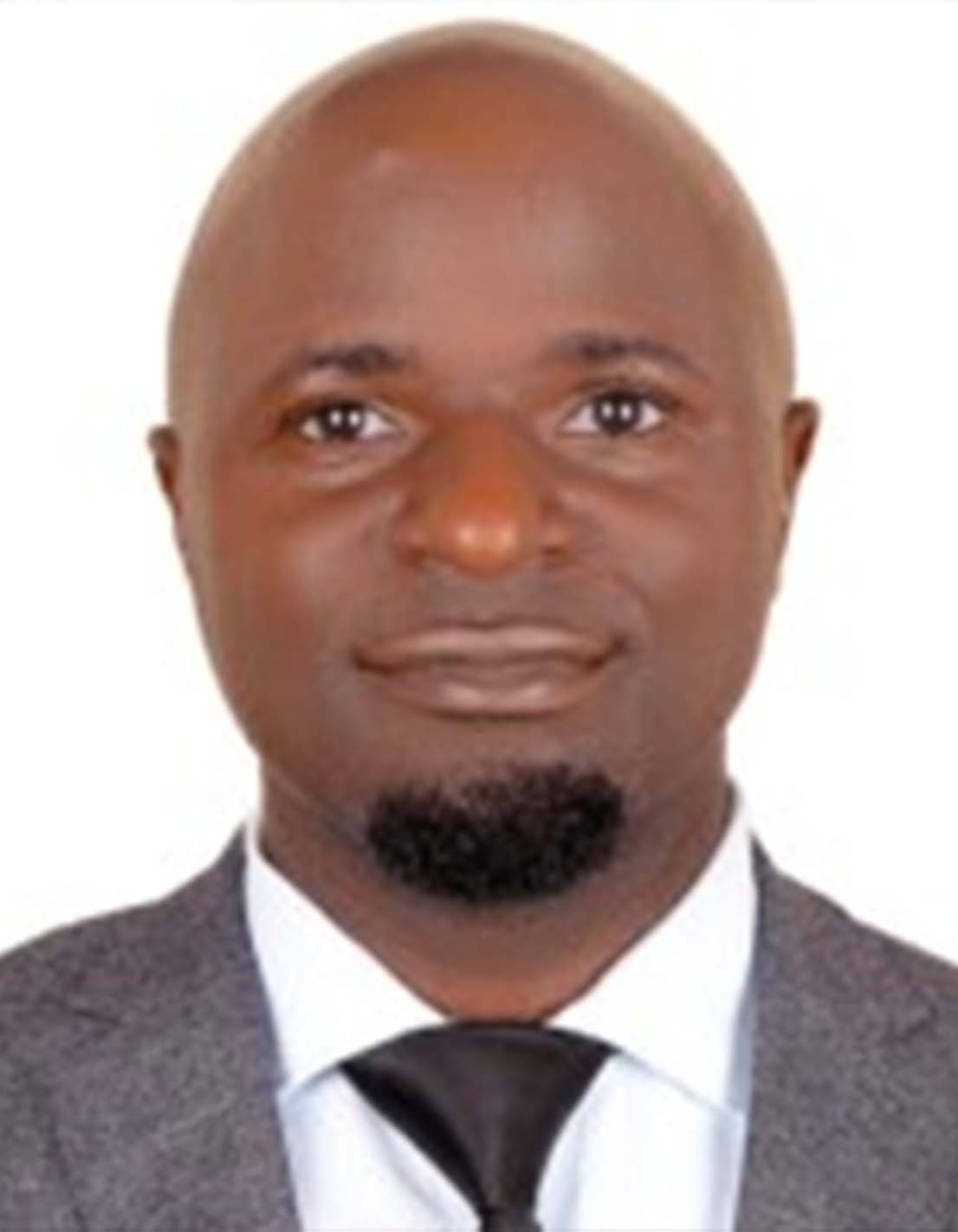
Paul Okwalinga, President of the Biosafety and Biosecurity Association of Uganda

Paul Okwalinga

President

Biosafety and Biosecurity Association of Uganda

Technical Officer, Biosafety and Biosecurity — Africa CDC

Professional biography

Paul Okwalinga is President of the Biosafety and Biosecurity Association of Uganda and Technical Officer for Biosafety and Biosecurity at Africa CDC. He chairs Uganda's National Laboratory Technical and Advisory Subcommittee on Biosafety, Biosecurity and Infrastructure and serves as a biorisk management subject-matter expert under the Africa CDC Biosafety and Biosecurity Initiative. A PhD scholar, his multi-country research focuses on strengthening Africa's health security and readiness to manage High Consequence Agents and Toxins.

Morgan Otita, Vice President of the Biosafety and Biosecurity Association of Uganda

Morgan Otita, MSc

Vice President

Biosafety and Biosecurity Association of Uganda

Project Manager and Senior Laboratory Systems Lead (Technical and Diagnostics), Infectious Diseases Institute (IDI)

Emerging Infectious Diseases Laboratory Lead, BRM Expert and Capacity Building Lead — Laboratory Pillar, Ministry of Health Uganda

Subject Matter Expert, Africa CDC — High Consequence Agents and Toxins (HCAT); Continental Trainer on Potential Public Health Outbreaks

Professional biography

Otita is a medical laboratory scientist with over 15 years of experience in infectious disease biosurveillance, global health security, and national public health laboratory systems. At the Infectious Diseases Institute, he leads strategic initiatives in multi-pathogen molecular diagnostics, acute febrile illness surveillance, laboratory-based research and AMR tracking, supporting ISO 15189, CAP and SANAS accreditation and laboratory quality systems across the region. A subject matter expert for Africa CDC and the African Society for Laboratory Medicine (ASLM), he has driven the development and regional roll-out of High Consequence Agents and Toxins (HCAT) governance frameworks across multiple African countries, and has contributed to curricula development and national reference materials covering biosafety and biosecurity, microbiology/AMR, outbreaks, EQA and IPC — including the establishment of laboratory systems networks for microbiology/AMR and sentinel surveillance of circulating pathogens.

Diana Atwijuka, Secretary General of the Biosafety and Biosecurity Association of Uganda

Diana Atwijuka

Secretary General

Biosafety and Biosecurity Association of Uganda

Biorisk Management Advisor, Joint Clinical Research Centre (JCRC)

Also supports strengthening Biosafety and Biosecurity (BSBS) across the National Health Laboratory and Diagnostic Services (NHLDS), Ministry of Health Uganda

Professional biography

Diana is a laboratory scientist by profession and a Biorisk Management (BRM) Expert certified by the International Federation of Biosafety Associations (IFBA) in Biorisk Management and Risk Assessment.

She has more than 12 years of experience in the laboratory profession and is a key pillar in strengthening global health security interventions through her capacity-building work in biosafety and biosecurity and the Africa CDC Sample Management and Referral curriculum, serving as one of the lead facilitators in strengthening laboratory preparedness to handle disease outbreaks of high-consequence pathogens across the continent.

Nationally, she has participated in designing and implementing the One Health biorisk management training curricula, mentorship programmes, and quantifiable BRM checklists — all tailored to a risk-based approach aligned with the requirements of ISO 35001:2019, ISO 15190:2020, the WHO Biosafety Manual (4th edition, 2020) and international conventions such as the International Health Regulations (IHR 2005), the Biological Weapons Convention (BWC), UN Security Council Resolution 1540, and the Global Health Security Agenda (GHSA).

Gordon Mpamize, Treasurer of the Biosafety and Biosecurity Association of Uganda

Gordon Mpamize

Treasurer

Biosafety and Biosecurity Association of Uganda

Project Lead, CDC-funded Laboratory Strengthening Project — Uganda National Health Laboratory and Diagnostic Services (SPHLS)

Council Member, Africa Biological Safety Association; Subject Matter Expert in Biosafety and Biosecurity, Africa CDC

Professional biography

Gordon is a public health professional with over 15 years of experience strengthening laboratory systems, advancing biosafety and biosecurity, and supporting emergency preparedness and response in complex and resource-constrained settings. His work focuses on strengthening laboratory networks, improving outbreak detection, and enhancing health system resilience to support global health security.

He holds a Bachelor's degree in Medical Laboratory Sciences, a Postgraduate Diploma in Project Planning and Management, and a Master's degree in Public Health. He is a certified Project Management Professional (PMP) and a Bio-Risk Management, Biosecurity and Bio-waste Management professional accredited by the International Federation of Biosafety Associations (IFBA), and is a Global Biosafety Award winner recognised for his leadership and contribution to strengthening biosafety practices on the global stage.

He currently serves as Project Lead for the CDC-funded Laboratory Strengthening Project supporting Uganda's National Health Laboratory and Diagnostic Services (SPHLS). He previously supported laboratory systems strengthening and emergency response initiatives with international partners, including the World Health Organization and the United Nations, contributing to laboratory coordination across 22 countries in the Eastern Mediterranean Region. He is passionate about advancing global health security through strengthening laboratory systems, strategic partnerships, and resilient health systems that protect vulnerable populations.
Council representation

BBAU's proposed council representation covers intellectual property, academia, defence and security, human health, animal health, and water and environment.

Intellectual Property Academia Defence and Security Human Health Animal Health Water and Environment

This representation is proposed. The final, confirmed Council list will be published here once formally approved.

Technical committees

01

Finance and Resource Mobilisation

Supports financial stewardship, sustainability and partnership development.

02

Research and Editorial

Promotes evidence generation, technical publications and quality communication.

03

Training and Capacity Building

Guides professional education, mentorship and competency development.

04

Publicity and Membership

Strengthens member engagement, visibility and public communication.

05

Legal Advisory

Supports governance, agreements and legal or regulatory engagement.